Norweco Singulair Green Operating Principles Made Easy
@messiahmqeq847
October 28, 2026 · 16 min read
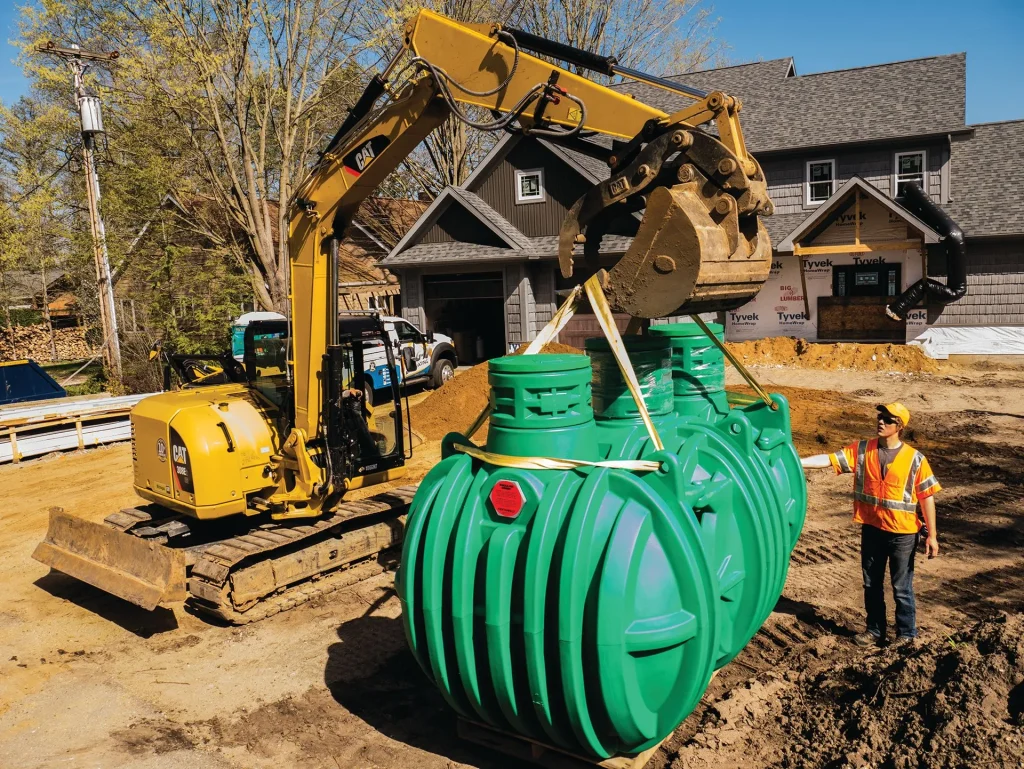
The Norweco Singulair Green system is one of those wastewater products that gets talked about in shorthand. People say it is an "aerobic system," or a "treatment unit with clarification and discharge," and then move on as if that explains the whole thing. It does not. For homeowners, installers, and property managers, the real value comes from understanding what the system is actually doing hour by hour, and why each stage matters.
Once you strip away the product names and industry vocabulary, the operating principles are straightforward. Wastewater enters the treatment train. Solids settle or float where they should. Air supports bacteria that digest dissolved and suspended waste. Clarified water moves on for further settling and, depending on the site design and local code, discharge or dispersal. That is the simple version. The details are what make the system dependable when it is installed correctly and maintained on schedule.
I have found that most confusion comes from comparing aerobic treatment units to conventional septic tanks as though they behave the same way. They do not. A standard septic tank leans heavily on quiet settling and anaerobic breakdown. A system like the norweco singulair green depends on managed biological treatment, especially the use of oxygen, to produce a cleaner effluent before it reaches the next step. If you keep that distinction in mind, the whole system becomes much easier to grasp.
The basic job the system is trying to do
Every onsite wastewater system has the same broad mission. It needs to take raw household wastewater, reduce solids, reduce organic strength, limit odors, and send out effluent that the next treatment or disposal step can handle safely. A bathtub drain, toilet flush, and kitchen sink all feed that mission, but they do not contribute the same type of load.
Bathroom wastewater is often high in water volume and lower in grease. Kitchen flow can bring fats, oils, food scraps, and detergents. Laundry can arrive in large surges and may carry lint, surfactants, and bleach residue. A properly working treatment unit has to smooth out these changes without losing biological stability.
That is where the Norweco Singulair Green concept becomes useful. It is designed to treat wastewater in stages rather than asking one quiet tank to do everything. Separation, aeration, biological digestion, clarification, and sludge management all play a role. When one stage is overloaded or neglected, the downstream stages feel it quickly.
Why oxygen changes the game
The word "aerobic" gets tossed around so casually that people stop hearing it. In practice, oxygen is the central operating principle. Aerobic bacteria are fast, effective workers when they have enough dissolved oxygen and a reasonably steady food supply. They consume organic waste more aggressively than the anaerobic organisms doing most of the work in a basic septic tank.
That does not mean aerobic treatment is magic. It means the system is more active, more controlled, and a bit less forgiving of neglect. If the air supply stops, treatment quality can drop. If the tank receives a shock load of grease, disinfectants, or too much water in a short period, the biology can stumble. Still, when conditions are right, an aerobic process can produce noticeably better effluent than a passive tank alone.
A useful way to picture it is to think of a campfire versus a slow compost pile. Both break material down, but one does it faster and more completely because it has more oxygen. Wastewater biology is more complicated than that comparison, but the principle holds.
What happens after a toilet flush
A single flush is a good way to follow the process without getting buried in jargon. Wastewater enters the treatment system carrying solids, dissolved organics, paper fibers, oils, soap residues, and microbes. The first job is hydraulic control. The system needs to receive that inflow without sending an identical surge straight out the other end.
In the front end of treatment, heavier solids tend to settle and lighter materials such as fats and floatables rise. This matters because downstream aeration works best when it is not trying to chew through everything at once. Separation is not glamorous, but it is one of the reasons treatment units succeed or fail. If solids are constantly washing forward, even a well-designed aeration chamber will struggle.
From there, wastewater reaches the aeration zone, where air is introduced and mixed with the liquid. This supports a suspended biological population that feeds on organic matter. The liquid often takes on a brown, active appearance when biology is healthy. Homeowners sometimes find that alarming the first time they see it during service. In reality, active mixed liquor is a sign the process is working, not a sign that something has gone wrong.
After aeration, the system relies on clarification. The idea is simple. Let the biological floc and remaining suspended particles settle out so the clearer liquid can continue on. Some settled solids return to the treatment environment, while excess sludge gradually accumulates and eventually requires pumping.
That sequence, receive, separate, aerate, clarify, retain solids, is the heartbeat of the unit.
The major treatment zones, in plain language
Most people understand the system faster when they stop thinking of it as one tank and start thinking of it as several jobs taking place in sequence.
- The first zone calms the incoming flow and captures a share of solids and floatables.
- The aeration zone adds oxygen and keeps the biological process active.
- The clarification zone gives solids time to settle so cleaner water can move forward.
- The sludge storage portion holds accumulated solids until maintenance removes them.
That is the conceptual layout, even if the physical tank design or internal arrangement varies somewhat by model and installation.
What the aerator is really doing
The aerator is often treated like just another mechanical accessory. It is more accurate to think of it as the organ that keeps the biological process alive. It does two jobs at once. First, it transfers oxygen into the wastewater. Second, it keeps the contents mixed enough that bacteria and waste remain in contact.
Without that mixing, solids settle where they should not, oxygen distribution becomes uneven, and dead zones can develop. Without oxygen transfer, the bacterial population shifts and treatment quality falls. Odors often become the first obvious warning sign, especially the sour or septic smell that people notice around lids or vents.
This is why service technicians pay close attention to aerator operation. A weak or failed unit may not cause an immediate plumbing backup, so the homeowner assumes everything is fine. Meanwhile, treatment performance can decline quietly for days or weeks. By the time the symptoms become obvious, the biology may need time to recover even after the mechanical issue is fixed.
I have seen systems where a simple aerator problem was left unchecked because the household never noticed any drainage issues. The sinks and toilets worked, so no one called for service. But the effluent quality deteriorated, solids carried over, and the downstream component had to absorb a load it was never meant to handle. That is a common pattern in aerobic systems. Mechanical trouble does not always look like plumbing trouble at first.
Biological treatment is alive, and that matters
A Norweco Singulair Green unit is not just a container with moving parts. It is a managed ecosystem. That sounds abstract until you see how strongly the biology reacts to daily household habits.
A stable system likes predictable wastewater strength and predictable flow. It can handle normal variation, family dinners, a couple of extra loads of laundry, visiting relatives for a weekend. What it dislikes are violent swings. Dumping strong solvents down the drain, routing water softener discharge where it does not belong, sending food grease in quantity, or flooding the unit with excessive clean water can all interfere with treatment.
The phrase "biological upset" sounds dramatic, but in the field it often begins with ordinary behavior. Someone sanitizes with too much bleach for a week. Someone fixes a leaking toilet only after it has run for a month. Someone connects a sump pump to the wastewater line, assuming water is water. Then the system receives chemistry or hydraulics it was never designed to digest.
That does not mean you need to live in fear of every cleaning product. It means moderation matters. Good wastewater treatment thrives on normal residential use, not abuse.
Clarification, the quiet stage people overlook
Aeration gets attention because it involves machinery and oxygen. Clarification is quieter and less visible, but it is just as important. After the biological process creates suspended floc, the system needs calm conditions so those solids can separate from the liquid.
If that settling step is rushed or disturbed, solids leave with the effluent. Once solids escape, every downstream component pays for it. Disinfection, if present, becomes less effective. Soil dispersal can clog faster. Recirculation or polishing components, where used, can foul sooner than expected.
This is why hydraulic overload is such a problem. Even if the bacteria are healthy, too much flow too quickly can push particles out before they settle. A family may look at a treatment unit and norweco singulair green think only in terms of gallons per day. The more important question is often gallons per hour during peak use. Three back to back showers, laundry, and a long dishwasher cycle can stress a small system much more than the same total volume spread across the day.
Sludge is normal, neglect is not
Every treatment unit generates residual solids. That is not failure. That is how wastewater treatment works. Some organic matter is converted biologically, some settles as sludge, and some floatable material accumulates at the top. Over time, those layers build.
Homeowners sometimes assume an aerobic unit "eats everything" and therefore does not need pumping as often as other systems. That is a costly misunderstanding. Aerobic treatment can reduce waste efficiently, but it does not eliminate solids forever. Regular inspection and pumping remain part of normal operation.
The pumping interval depends on actual use, tank capacity, household size, habits, and service findings. Any rigid claim such as "every X years no matter what" should be taken cautiously unless it comes from the manufacturer documentation or local regulator for that specific configuration. Real systems live in real households. A retired couple and a family of six do not load a unit the same way.
When sludge accumulates too far, the working volume shrinks, settling suffers, and solids move forward. At that point, treatment efficiency drops for reasons that are entirely preventable.
What normal operation looks like day to day
A healthy system is usually uneventful. Drains work normally. There is no persistent sewage odor outdoors. Alarms stay quiet. Effluent, where visible to trained eyes in a service context, appears appropriately clarified for that treatment stage. The aerator operates steadily, and the interior liquid levels remain within expected ranges.
You should not expect the unit to be silent. Mechanical treatment systems often produce a low hum or vibration depending on the installation. You also should not expect the interior to look like clear tap water, especially in the biological zone. Treatment is a process, not a showroom.
One of the better rules of thumb is that a system in balance does not call attention to itself. Problems tend to announce themselves through odor, alarms, surfacing water, unusual wet spots, sluggish drainage, or repeated service issues.
The most common operating mistakes
Most performance problems trace back to a short list of causes. None are exotic. They are the ordinary ways a treatment unit gets pushed outside its design envelope.
- Skipping routine inspections and service
- Ignoring alarms or disconnecting them
- Overloading the unit with water in short bursts
- Sending grease, wipes, or harsh chemicals into the system
- Delaying pumping after solids accumulation is observed
That list is simple, but every item has expensive consequences if left alone.
I once looked at a residential aerobic system where the alarm had been wrapped in tape because it was "annoying at night." The homeowner had meant to call someone, got busy, and then forgot. By the time the service visit happened, the issue had spread well beyond the original component failure. That is the quiet danger of small wastewater problems. They rarely stay small when the biology and hydraulics are both involved.
Alarms are part of the operating principle, not an accessory
Many owners see an alarm panel as optional or secondary. It is not. In mechanical treatment systems, alarms exist because trouble can begin long before wastewater backs up into the house. High water alarms, aeration failure indicators, and similar alerts are early warning tools. They buy time.
If an alarm activates, the right response is not panic, but it is also not neglect. Reduce water use right away, check for obvious issues if you know how to do so safely, and contact your service provider. The goal is to prevent a treatable problem from becoming a system upset or overflow event.
An alarm does not always mean catastrophe. Sometimes it points to a float issue, a power interruption, or a component that simply reached the end of its service life. Even then, the warning matters because the treatment chain depends on each stage functioning as intended.
How flow patterns affect performance more than people expect
Steady flow helps treatment. Surges hurt it. That principle shows up over and over in onsite wastewater work. The norweco singulair green system can handle normal residential peaks, but there is still a practical limit.
Large bathtubs, multi head showers, frequent laundry marathons, and leaks all distort the rhythm the unit was designed for. A leaking toilet is especially sneaky. It may not seem dramatic, yet continuous clear water can dilute treatment, reduce detention time, and push solids where they should not go. On paper, a household may appear to have normal occupancy. In reality, one bad flapper valve can make the system work as if another person moved in.
This is one reason service professionals ask questions that seem unrelated to the tank itself. Have utility bills changed? Is there a running toilet? Are there weekend guests every week? Was a garbage disposal added? Those details shape loading as much as the treatment hardware does.
Cold weather, absence, and other edge cases
Operating principles stay the same across seasons, but field conditions do not. In cold climates, biological activity can slow and components may face harsher conditions if covers, risers, or insulation are inadequate. Systems generally perform best when they receive regular use and remain properly protected from weather exposure. Long vacancies can also change behavior. With little incoming wastewater, the biological population may decline. When occupants return and suddenly resume full use, there can be a brief adjustment period.
This is not a defect. It is the nature of living treatment systems. They adapt, but they do not like abrupt swings from zero to heavy use. Vacation properties are a classic example. A cabin may sit quiet for weeks, then host ten people for a holiday weekend. Even a robust treatment unit will notice that pattern.
Another edge case is high groundwater or site drainage problems. A treatment unit can perform its internal treatment job well and still experience trouble if the surrounding site is poorly drained or if external water infiltrates where it should not. Good operation depends on both equipment and installation context.
Maintenance is how the design keeps its promise
The best way to understand maintenance is to stop viewing it as a penalty for owning the system. Maintenance is the mechanism that allows the treatment principle to continue working. Mechanical components wear. Solids accumulate. Biological performance shifts. Inspections catch small trends before they become failures.
A proper service visit often includes checking aerator function, confirming alarm operation, observing liquid levels, assessing sludge and scum accumulation, looking for evidence of carryover, and reviewing the condition of any associated components. The exact scope depends on the local maintenance program and system configuration, but the idea is consistent. Service is both preventive and diagnostic.
Owners usually get the best results when they keep a simple record of visits, pumping dates, repairs, and alarm events. That history becomes useful surprisingly fast. If a technician can see that a float was replaced last year, the aerator output changed two years ago, and pumping occurred six months back, troubleshooting becomes more precise.
What homeowners should remember most
If you only retain the practical core, keep this much in mind. The Norweco Singulair Green system treats wastewater through staged biological and physical processes, not by passive storage alone. Oxygen and mixing help bacteria digest waste. Clarification separates solids from treated liquid. Residual solids still need removal. Alarms and routine service protect the process before visible failure appears.
That understanding changes how people use and care for the system. They stop asking, "Is it still draining?" And start asking, "Is it still treating properly?" That is the better question, because a wastewater unit can continue accepting flow even while its treatment quality is sliding.
For most owners, good results come from ordinary discipline: use water sensibly, avoid sending the wrong materials down the drain, respond quickly to alarms, and keep up with inspection and pumping. None of that is glamorous. All of it is cheaper than rebuilding a damaged downstream disposal area or dealing with chronic treatment problems.
A well-maintained aerobic unit tends to reward that discipline quietly. It does its work below grade, out of sight, every day. Once you understand the operating principles, the system stops feeling mysterious. It becomes what it really is, a managed biological treatment process that performs well when its airflow, settling, sludge control, and maintenance needs are respected.
Excavating New Jersey LLC
406 County Rd 565, Wantage, NJ 07461, United States
+1 973-791-4284
FAQ About norweco singulair green
How much does a NORWECO septic system cost?
The installed cost depends on the selected unit, engineering, site access, excavation, electrical work, disposal-field design and required approvals. A tank-only price is not a complete installation quote. Ask Excavating New Jersey LLC for a site-specific, itemized estimate that also explains ongoing service costs.
How does a Norweco septic system work?
The Singulair Green uses pretreatment, aeration, clarification and filtration to treat domestic wastewater. In the aeration chamber, oxygen supports bacteria that break down organic material. The Bio-Kinetic unit provides further filtration and flow equalization. Final effluent disposal must follow the property's approved design and applicable requirements.
What is the average lifespan of a septic system?
There is no guaranteed lifespan for every system. Design, installation, soil conditions, wastewater loading and regular maintenance all matter, and mechanical parts may need replacement before the tank. For a Singulair Green system, follow the manufacturer's service schedule and have a qualified provider assess its condition and pumping needs.