How to Extend the Life of Your Norweco Singulair Green System in Wantage NJ
@messiahmqeq847
September 29, 2026 · 15 min read

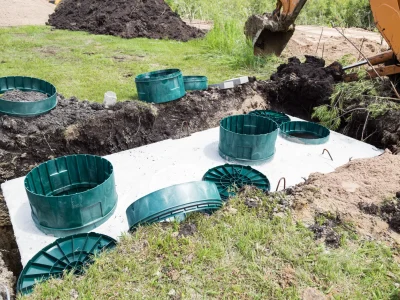
A Norweco Singulair Green system can last a very long time, but only if it is treated like the mechanical wastewater treatment plant it really is, not like a passive septic tank you can forget about for years. That distinction matters. Traditional septic systems rely mostly on settlement and soil absorption. A Singulair Green unit adds aeration, biological treatment, moving parts, electrical controls, and discharge components that all need steady conditions to perform well.
In Wantage, NJ, that need for steady conditions becomes even more important. Seasonal temperature swings, heavy rain, high groundwater in some areas, intermittent power outages, and the realities of country living all put stress on treatment systems. I have seen systems that were still in respectable shape after decades because the owner kept up with routine service and used common sense inside the house. I have also seen systems begin to struggle much earlier, not because the equipment was defective, but because grease, wipes, hydraulic overload, and skipped maintenance slowly wore them down.
If you want to get the longest service life out of your norweco singulair green Wantage NJ setup, the goal is simple: protect the biology, reduce mechanical strain, and catch small problems before they turn into expensive ones.
What shortens the life of these systems
The biggest misconception is that failure happens all at once. Most of the time, it does not. A Singulair Green system usually declines by degrees. The air delivery may weaken. Solids may build up earlier than expected. A filter or discharge component may start to foul. The system may still run, but it is no longer running comfortably. Once it is operating under stress, wear accelerates.
Inside the home, the usual culprits are grease, wipes, excessive bleach, antibacterial overuse, paint, solvents, and too much water arriving in a short window. Outside, root intrusion, poor grading, roof runoff directed toward the treatment area, and vehicle traffic over buried components all add pressure. Weather also plays a part. A wet stretch in Sussex County can saturate soils and make the dispersal side of the system work harder. A hard winter can expose neglected risers, lids, or shallow lines to freeze-related issues.
One of the easiest ways to extend service life is to stop thinking of the system as a single tank. It is a chain. Wastewater quality from the house affects the treatment chamber. The treatment chamber affects downstream clarity. Downstream clarity affects the dispersal area or discharge components. When one link is stressed, every other link pays for it.
Your system needs regular attention, even when nothing seems wrong
Owners often wait for odors, alarms, wet spots, or plumbing backups. By then, the problem is no longer minor. With a Norweco Singulair Green system, a better approach is routine observation. You do not need to become a service technician, but you should know what normal looks and sounds like.
If the aeration unit has a usual operating hum, learn that sound. If the control panel has indicators, glance at them now and then. If your service provider checks sludge and scum levels, ask what the readings mean. If the system discharges to a permitted area or secondary component, understand what clear, treated flow should look like. The owner who notices subtle changes early usually avoids the bigger bill later.
Service intervals vary depending on household size, water use, occupancy patterns, and system configuration, so it is better to follow the manufacturer guidance and your local service professional’s recommendation than to rely on a one-size-fits-all rule. A vacation house occupied only on weekends behaves differently from a full-time residence with five people, two teenagers, and constant laundry.
Water loading is where many problems begin
Mechanical treatment systems can process a lot, but they still prefer consistency. Sharp surges of water dilute biological treatment, stir settled solids, and push material farther through the process train than it should go. That extra carryover eventually shows up as clogged filters, stressed pumps, fouled discharge paths, or reduced treatment quality.
I have seen a pattern in homes where the system gets blamed unfairly. The actual issue is the water use profile. Three back-to-back showers, a long bath, four laundry loads, and a dishwasher cycle in one evening can hit a residential treatment system harder than most owners realize. The total gallons matter, but timing matters just as much.
A simple shift in habits can reduce wear dramatically:
- Spread laundry over the week instead of doing many loads in one day.
- Repair running toilets and dripping fixtures promptly.
- Install high-efficiency showerheads and toilets if the home still has older fixtures.
- Avoid draining hot tubs, water softener backwash surges, or large cleaning volumes into the system without professional guidance.
- Keep sump pumps, foundation drains, and roof leaders completely separate from the wastewater system.
That list may sound basic, but it is often the difference between a system that coasts along and one that constantly fights hydraulic stress. A running toilet alone can add hundreds of gallons over time. Owners are often surprised when a service visit finds that the treatment unit is not the main problem, the leaking fixture is.
What goes down the drain matters more than most people think
A Norweco Singulair Green system depends on healthy biological activity. The microorganisms doing the treatment work are resilient, but they are not indestructible. Every time grease cools in the lines, every time disposable wipes are flushed despite the label, every time strong solvents or paint rinse are sent to the drain, the system loses ground.
People often ask whether occasional use of household cleaners is acceptable. In normal quantities, yes, most standard cleaning products used as directed are not catastrophic. The trouble comes from concentrated discharges, repeated overuse, or mixing multiple harsh chemicals and sending them all down at once. The biology can recover from modest disturbances. It struggles when shocks become routine.
Grease deserves special mention because it causes slow damage. It may not trip an alarm. It may not create an immediate backup. Instead, it coats surfaces, contributes to scum accumulation, and makes downstream maintenance messier and more frequent. In kitchens that cook heavily, especially around holidays, the wastewater profile changes noticeably. A sink full of greasy dishwater can have an outsized effect compared with ordinary daily use.
Flushing habits are equally important. “Flushable” on a package is not the same thing as compatible with treatment equipment. Wipes, paper towels, feminine hygiene products, dental floss, and similar materials do not break down the way toilet paper does. They snag, wrap, clog, and accumulate.
In Wantage, weather and site conditions play a bigger role than owners expect
Wantage properties vary, but many homes face the same broad environmental realities common in northern New Jersey. Winters are cold enough to expose weak points in insulation or shallow piping. Spring can bring saturated ground. Summer storm patterns can create short periods of heavy inflow around structures if grading is poor. Fall leaf litter can clog drainage paths and hold moisture where you do not want it.
None of that means your system is fragile. It means site management matters. Good grading around lids, risers, and treatment areas helps shed water instead of inviting it to pool. Keeping surface runoff away from the system reduces norweco singulair green Wantage NJ unnecessary loading. Protecting access covers and making sure they remain secure but reachable encourages proper service, because technicians can inspect what they need without digging up a surprise every visit.
Power reliability matters too. Aerobic treatment systems depend on electrical components. A brief outage is usually manageable. Repeated outages or long interruptions can upset treatment and, depending on system design, affect pumps or alarms. If your neighborhood experiences occasional extended outages, it is worth discussing response steps with your service company. Some owners assume the system simply “catches up” after power returns. Sometimes it does. Sometimes the outage reveals a weak component that was already near failure.
Do not ignore the air side of the system
Homeowners naturally focus on tanks and liquids, but the air delivery side is where a lot of long-term health is decided. Aerobic treatment needs oxygen. When aeration weakens, treatment efficiency drops and odors may increase. More importantly, solids breakdown norweco singulair green Wantage NJ and biological balance can suffer enough to affect everything downstream.
You may not service the aerator yourself, and in many cases you should not. But you should appreciate its importance. If the sound changes sharply, if an alarm appears, or if treated effluent suddenly seems off, the aeration side deserves attention early. Letting an underperforming aerator limp along for months often creates a bigger cleanup later.
Experienced technicians can usually tell a lot from routine inspection, including whether air delivery is consistent, whether diffusers or related components are functioning as intended, and whether the biological process looks healthy. That kind of preventive service is not just about fixing failures. It is about protecting the lifespan of the whole system.
Pumping is not optional, even with advanced treatment
One of the more persistent myths around advanced onsite systems is that because they treat wastewater more actively, they do not need periodic pumping. They do. Solids still accumulate. Biological treatment reduces and stabilizes waste, but it does not make all solids vanish. Waiting too long to pump increases the chance that solids will move where they do not belong.
How often pumping is needed depends on use patterns and the condition of the system. A lightly occupied home may go longer than a busy household with frequent guests. A family that disposes of grease poorly or runs a garbage disposal heavily may need shorter intervals. The right schedule comes from inspection findings, not guesswork.
When a system is pumped on time, the service is routine. When it is delayed too long, the same visit can uncover extra cleanup, fouled components, or evidence that the downstream side has already been stressed. Owners often remember only the cost of pumping, not the much larger cost of neglect.
Protect the field area and everything buried around it
Even the best treatment unit cannot survive abuse outside. If your norweco singulair green Wantage NJ system includes a dispersal area, drip component, or other subsurface elements, those parts need physical protection. Soil compaction is a quiet killer. So are roots.
People commonly damage systems without realizing it. A contractor parks a skid steer over the wrong section of yard. A homeowner plants thirsty shrubs too close to buried lines. A shed goes up where access or airflow should remain clear. None of those choices may cause instant failure, but all of them shorten the margin for error.
The safest rule is to treat the area over and around system components as utility space, not general-use ground. Light foot traffic is fine. Heavy vehicles, construction storage, fill dirt, and deep-rooted landscaping are not. If you are planning a patio, fence, generator pad, or addition, confirm system locations first. That step saves a lot of regret.
A service relationship is one of the best investments you can make
Some maintenance tasks belong to the homeowner, but the long life of a Singulair Green system usually depends on periodic professional service. This is not a place to shop on price alone. You want someone who understands advanced onsite treatment, not just basic septic pumping.
A good service provider does more than clear an alarm. They look for trends. They notice whether solids are accumulating faster than expected, whether the system is seeing unusual hydraulic load, whether components are aging evenly, and whether site conditions outside are starting to work against the equipment. Those observations are valuable because they connect symptoms to causes.
Ask questions during service visits. Was the sludge level typical? Did the treated effluent look normal? Is the aeration performance where it should be? Are there any signs that household habits are affecting operation? Homeowners who understand those answers tend to make better decisions between visits.
Signs that deserve quick action
The earlier you respond, the better the odds that the fix stays small. A bad smell near the unit or discharge point, a sudden alarm, sluggish drains throughout the house, unusually green or wet ground near system components, or a noticeable change in sound from mechanical equipment all justify prompt attention. So does any sign of backup after heavy water use.
Not every symptom means major failure. Sometimes the issue is as modest as a filter needing attention, a float problem, or a fixture leak that has overloaded the system. But the only safe assumption is that the symptom matters. Delays almost always increase stress somewhere in the treatment chain.
If the system has an alarm, do not disable it and forget it. The alarm is doing its job. Silence it only as directed if necessary, then call for service. A homeowner who leaves an alarm active without investigation is gambling with every flush and shower.
Seasonal habits that pay off in northern New Jersey
The calendar changes how these systems are used. Around holidays, guest loads jump. In winter, frozen hoses and outdoor shutdowns can change indoor water use patterns. During wet months, the soil side has less room for mistakes. Summer travel can also create long idle periods followed by sudden heavy use when everyone returns.
A few seasonal checks go a long way:
- Before winter, make sure access lids are secure and the area is graded to shed surface water.
- During holiday or guest-heavy periods, spread water use when possible and avoid marathon laundry days.
- After major storms, look for standing water near the system and note any unusual odors.
- In spring, inspect the yard for erosion, settlement, or drainage patterns that may have changed over winter.
- If the home sits vacant for stretches, ask your service provider whether any startup or monitoring steps make sense for your use pattern.
None of this is glamorous, but these are the habits that keep systems from aging prematurely. They also help preserve treatment performance, which is the real point of the investment.
Be careful with additives and miracle fixes
Most owners who buy septic additives are trying to help, not harm. The problem is that many products promise more than they can prove. Some are basically harmless. Some are unnecessary. Some can interfere with settling or treatment behavior. A Norweco Singulair Green system is engineered to work with proper wastewater flow and proper maintenance, not with a shelf full of rescue products.
If someone offers a quick chemical fix for odors, solids, clogs, or poor performance, be skeptical. Odors have causes. Solids accumulation has causes. Hydraulic overload has causes. Treating the symptom without understanding the reason usually wastes money and, in some cases, delays the real repair until damage is worse.
Small upgrades can extend life when timed well
Not every long-life strategy is maintenance. Sometimes the smart move is a targeted improvement. Replacing a failing toilet with a high-efficiency model can reduce needless loading year after year. Improving grading around the system can cut wet-weather stress. Marking component locations can prevent accidental damage from landscaping or snow work. Installing risers for easier access can encourage regular service because no one has to excavate lids every time.
I have also seen value in replacing aging parts before they fail at the worst moment. A component that is clearly near the end of its service life may be worth changing during a planned visit rather than waiting for a holiday weekend breakdown. That kind of judgment depends on inspection history, not guesswork, but it often pays off.
The longest-lasting systems usually have disciplined owners
After years of seeing which systems age well, the pattern is consistent. The owners who get the best life from a Norweco Singulair Green system are not necessarily the most technical. They are the most attentive. They fix leaks. They spread out water use. They keep grease and wipes out. They do not drive over the field. They call when something changes. They keep records. They treat the system like infrastructure, because that is exactly what it is.
That mindset matters in Wantage, where the seasons and site conditions can be unforgiving when maintenance slips. A well-cared-for system handles those pressures much better than a neglected one. The reward is not just avoiding emergencies. It is extending equipment life, protecting treatment quality, and reducing the odds that a manageable service issue turns into a major repair.
If you remember only one thing, make it this: longevity comes from consistency. A Norweco Singulair Green system rarely asks for heroics. It asks for reasonable water use, sensible flushing habits, regular inspection, and prompt response when something looks off. Give it that, and it has every chance to serve your property well for many years.
Excavating New Jersey LLC
406 County Rd 565
Wantage, NJ 07461, United States
Phone: +1 (973) 791-4284
FAQ About norweco singulair green Wantage NJ
How does a Norweco septic system work?
Singulair Green uses aerobic biological treatment in a polyethylene tank, followed by settling and filtration. The treatment unit is one part of a complete wastewater system; the site design also determines how treated effluent is dispersed.
How much does a Norweco septic system cost in NJ?
A useful estimate requires a property evaluation. Excavation access, soil conditions, engineering, electrical work, the disposal field, and restoration can affect the total. Ask Excavating New Jersey LLC for a written scope that distinguishes installation costs from ongoing service costs.
Are Norweco septic systems good?
Singulair Green is an established aerobic treatment option, but suitability depends on the property and proposed design. Compare the model's documented performance, maintenance needs, and total project scope with alternatives before deciding.