Best Practices for Caring for Norweco Singulair Green in Wantage NJ
@messiahmqeq847
September 29, 2026 · 14 min read
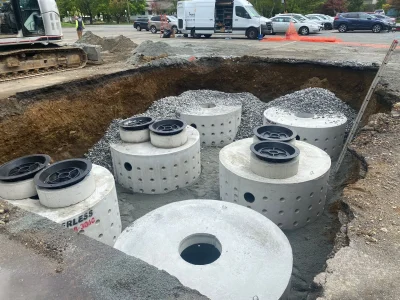

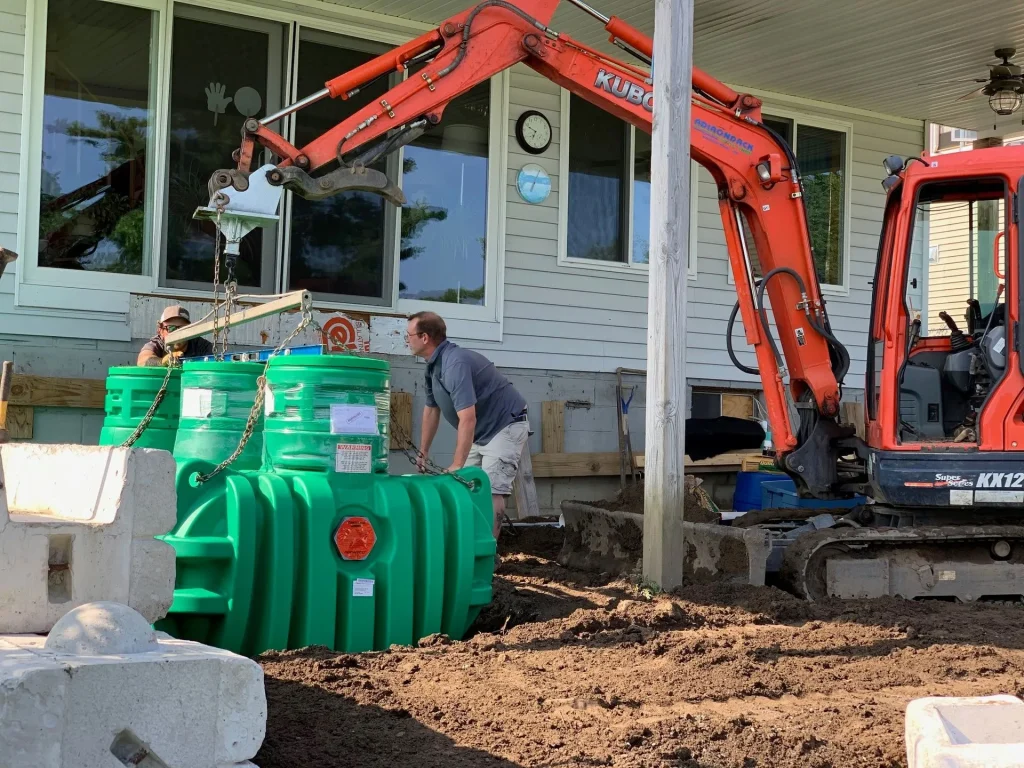
A Norweco Singulair Green system can do its job quietly for years, but only when the owner understands what it needs and what can throw it off balance. That matters in Wantage, NJ, where seasonal weather swings, periods of heavy rain, winter frost, and rural property layouts all shape how onsite wastewater systems perform. These units are engineered systems, not simple holding tanks. They rely on timed processes, air movement, settling, biological treatment, and consistent maintenance. If any one part gets neglected, the effect usually shows up somewhere else first, often in the yard, in odors, or in rising service costs.
Homeowners often assume that if the toilets flush and no alarms are sounding, everything must be fine. In practice, wastewater treatment systems usually give subtler warnings long before a total failure. I have seen systems run with a clogged effluent filter for months, aeration issues that were dismissed as a harmless hum change, and risers left unsealed so stormwater diluted the process and pushed solids where they did not belong. None of those problems looked dramatic at first. All of them became expensive when ignored.
Caring for a norweco singulair green Wantage NJ installation starts with understanding two realities. First, this is a treatment plant in miniature. Second, local conditions matter. A system that might coast along in a drier climate can struggle on a Sussex County property with shallow grades, snowmelt, and a busy household that doubles in size over holiday weekends.
What makes this system different from a basic septic tank
A conventional septic tank mainly separates solids from liquids and sends partially clarified effluent onward to a disposal field. A Norweco Singulair Green system adds active treatment. It is designed to break down waste more thoroughly before discharge to the next stage. That improved treatment can be a major advantage for properties with tighter environmental constraints, challenging site conditions, or permitting requirements that call for higher performance.
That performance comes with responsibilities. Mechanical and electrical components need attention. Aeration has to remain consistent. Filters need cleaning. Sludge and scum still accumulate and must be pumped on schedule. The disposal area or discharge point still matters. Owners who treat an advanced treatment unit like an old gravity septic tank usually end up learning the difference the hard way.
In Wantage, where many homes are not connected to municipal sewer, this distinction matters. Rural properties often have larger lots, but a larger lot does not automatically mean carefree wastewater management. Soil conditions, groundwater movement, driveway traffic, grading changes, and runoff from roofs or outbuildings can all influence long term performance.
Start with the manual, then translate it into a yearly routine
The best owners are rarely the most technical. They are the most consistent. They keep a file with the installation documents, service records, pumping receipts, and the contact information for a qualified local service provider. If the system changes hands during a home sale, those records become even more important.
The manual tells you what the manufacturer expects. Your service history tells you how the unit behaves on your property. Those two things together are more useful than guesswork. A family of two that is gone all day will load the unit differently than a household of five with frequent laundry, long showers, and a finished basement bath. The same model can have very different maintenance rhythms depending on actual use.
For most homes, the smartest approach is to think in terms of seasons. Spring is when many water infiltration issues show up, especially after snowmelt and heavy rain. Summer is when landscaping, yard projects, and vacations can change water use patterns. Fall is ideal for inspections before winter hardens the ground. Winter is when access becomes more difficult and small neglected issues can become urgent because frozen soil limits your options.
Water use is not just about volume, it is about timing
Many owners focus on how much water they use in a day. Just as important is when they use it. A treatment unit can handle a certain steady load far better than a sudden hydraulic surge. Running three loads of laundry back to back, taking successive showers, then draining a large tub can flush solids forward and reduce treatment quality even if the household's daily total is otherwise normal.
Spacing out water use makes a bigger difference than many people realize. I have watched two similar households produce very different service outcomes for one reason alone: one spread water use throughout the day, while the other compressed it into narrow morning and evening peaks. The second household had more carryover issues, more filter maintenance, and more signs of hydraulic stress.
This becomes especially relevant during holidays or when guests stay over. A system sized for a typical family can still handle occasional higher demand, but only if the household uses some restraint. That means staggering showers, doing laundry across several days, and avoiding all-at-once kitchen cleanup with a loaded dishwasher and a sink full of greasy water.
Protect the biology inside the unit
Advanced treatment systems depend on beneficial microorganisms. They are resilient, but they are not indestructible. Harsh cleaners, disinfectants used in excess, paint waste, solvents, oils, pesticides, and large amounts of antibacterial products can upset the biological process. Once that balance is disturbed, the effects may not show up immediately. The system can look normal while treatment quality declines.
Reasonable household cleaning is usually fine. The problem is concentration and frequency. Pouring leftover bleach solution down a drain, dumping mop water with strong disinfectants every day, or flushing inappropriate products is where owners get into trouble. The same goes for grease. Even with improved treatment, fats, oils, and grease still cool, congeal, and interfere with system performance.
Flushable wipes remain one of the most common headaches in the field. Despite the label, they do not break down like toilet paper. They snag, mat together, and create maintenance problems in tanks, filters, and pumps. Feminine hygiene products, paper towels, cat litter, dental floss, cigarette butts, and cotton swabs belong nowhere near the system.
The alarm is not a suggestion
If your unit has an alarm or warning indicator, treat it seriously. Too many owners silence or ignore alarms because the house still seems to function. An alarm is usually telling you that a component is not operating as intended, that liquid levels are too high, or that a condition exists which could soon affect treatment and disposal.
The right response is not to panic, but not to postpone either. Reduce water use immediately and call your service provider. If the issue is minor, quick action often prevents secondary damage. If the issue is major, conserving water buys time and helps avoid backups.
A useful habit is to test your understanding of the panel before there is a problem. Know what normal looks like. Know where the alarm is located. Know whether the unit has separate indicators for power and high water. That five minutes of familiarity can save a weekend emergency call.
The disposal area still deserves respect
One of the easiest mistakes to make with a Norweco Singulair Green system is focusing only on the treatment unit and forgetting the downstream disposal area. Even highly treated effluent still needs a functioning place to go, whether that is a leach field, drip area, or another approved discharge method tied to the design. If that area becomes compacted, saturated, or physically damaged, the entire system suffers.
This is especially important on rural properties in Wantage where owners may be tempted to use open lawn space for vehicles, trailers, sheds, or material storage. Soil compaction reduces the ground's ability to accept effluent. A field that once handled flow well can decline because of repeated traffic from landscaping equipment or delivery trucks.
Directing roof gutters, sump discharges, and surface runoff away from the treatment area and disposal area is just as important. Stormwater does not belong there. Extra clean water may seem harmless, but it can oversaturate soils, reduce treatment contact time, and raise water levels where they should not be.
What routine maintenance should actually look like
The most successful owners follow a simple pattern: inspect, clean, document, and pump when needed. They do not wait for symptoms. They make maintenance a normal cost of ownership, like servicing a furnace or replacing a roof before leaks spread.
A dependable care routine usually includes the following:
- Schedule professional inspection and service at the interval recommended for your specific unit and local requirements.
- Clean or service filters and related components as directed, rather than waiting for flow problems.
- Pump accumulated sludge and scum based on measured need, household use, and technician findings.
- Keep risers, lids, and access points secure, visible, and free from buried landscaping surprises.
- Record every visit, observation, repair, and alarm event in one place.
That last point sounds mundane, but it matters. A pattern of recurring high water alarms in wet spring months tells a different story than a one time electrical issue. Service notes that mention rising solids, heavier than expected grease, or infiltration after storms can reveal a developing problem long before failure occurs.
Pumping intervals are not one size fits all
Many homeowners want a fixed answer on pumping. The honest answer is that pumping intervals vary. Tank size, actual occupancy, garbage disposal use, water habits, and the condition of the treatment process all affect how fast solids build up. A lightly used vacation home may go much longer between pumpings than a full time residence with teenagers, frequent guests, and heavy kitchen use.
What matters is measured condition, not folklore. The old rule of pumping every few years can be a reasonable starting point, but it should not replace inspection. I have seen tanks that needed attention sooner because of heavy use and others that were in decent shape on a longer timeline. The wrong move is delaying service because somebody said, years ago, that the system could go longer.
If you recently bought a property and do not have records, assume nothing. Establish a maintenance baseline early. That single decision prevents a surprising number of first year ownership problems.
Winter care in Wantage requires a little foresight
Cold weather changes the equation. Systems generally function well in winter when they are in regular use and protected by normal ground cover. Trouble usually starts when access points are exposed, when grass cover is stripped away, or when a property sits vacant and receives very little warm wastewater.
Plowing snow directly off the treatment area can remove insulation. Driving over frozen ground above system components can damage piping or compact soils. Long absences in a cold snap can allow shallow lines or vulnerable sections to chill more than intended. If you leave for extended periods, it helps to talk with your service provider about best practices for your setup rather than improvising.
A common local scenario is a homeowner who does late fall yard work, removes insulating vegetation, then has a contractor drive equipment over the area while the soil is damp. The resulting compaction and exposure may not show consequences until the following thaw. By then, the connection between the yard project and the wastewater issue is easy to miss.
Landscaping choices can help or hurt
A tidy yard around the system is good. Deep rooted trees planted too close are not. Roots seek moisture and can exploit weak points over time. Decorative beds that hide lids and risers may look better for a season, but they make inspections harder and service more expensive. Heavy stone features, retaining walls, and patios built without regard to access create long term headaches.
Grass is usually the safest cover over disposal areas and around most system components. It controls erosion, insulates the ground, and allows visual inspection. If you cannot easily point out where your treatment unit, access lids, and disposal area are located, you are more likely to damage them during future work.
The practical goal is simple: keep the area stable, accessible, and free from extra water and extra weight.
Know the early warning signs before the system forces the issue
Most costly failures do not begin as disasters. They begin as annoyances. A brief odor after heavy water use. A patch of lawn that stays greener than the rest. A service tech noting a filter that clogs faster than expected. A hum or vibration that sounds slightly different near the unit. Owners who pay attention to these small changes usually spend less over time.
Watch for these signs and act early:
- Sewage odors near the unit, yard, or drains that persist rather than appearing briefly once.
- Slow drains or gurgling fixtures throughout the house, especially when water use is high.
- Wet or unusually lush areas over or near the disposal area.
- Repeated alarm events, even if they seem to reset without obvious trouble.
- Sudden changes in effluent clarity or solids levels noted during service.
One caution here: a single symptom does not always identify the exact problem. Slow drains can come from interior plumbing. Wet ground can result from runoff. Odors can shift with weather. That is why professional diagnosis matters. The owner's job is not to solve the system from scratch, but to recognize when something is off.
Service contracts are often worth it
For many advanced treatment units, a service contract is money well spent. That is not because every system is fragile. It is because regular professional eyes catch changes that homeowners usually miss. A technician who sees the unit on a schedule notices trends: more solids than last visit, unusual blower noise, evidence of infiltration, filter loading that suggests a change in household habits.
In places like Wantage, where weather and site conditions can swing from dry summer stress to saturated spring soils, that continuity has value. You are not simply paying for a one time cleaning. You are paying for pattern recognition and accountability. If the system has mechanical components, electrical controls, or permit related reporting requirements, that value increases.
Choose a provider who is familiar norweco singulair green Wantage NJ with the specific equipment and with local installation realities. A contractor who understands advanced treatment systems in theory but rarely works on them in your area may miss practical details tied to local soils, common drainage mistakes, or regional service expectations.
Real estate changes are a vulnerable moment
A large share of preventable problems starts after a property changes hands. New owners may not know what system they have, how old it is, where the components are, or what maintenance was deferred before closing. Sellers are not always careless, but records often get lost in the shuffle.
If you have recently purchased a home with a norweco singulair green Wantage NJ system, make your first year count. Confirm the model. Locate all access points. Learn the disposal layout. Arrange an inspection with a qualified service professional. Ask for a plain language explanation of current condition, likely next maintenance steps, and any evidence of overuse, infiltration, or neglect.
That first service visit often pays for itself by preventing poor assumptions. More than once, I have seen an owner believe a field was somewhere else entirely, or assume a buried lid meant a component had been abandoned when it was still active and overdue for service.
The most expensive mistakes are usually simple ones
Homeowners tend to expect catastrophic causes behind septic expenses. More often, the culprit is ordinary neglect. Cars parked in the wrong place. Filter cleaning postponed. Alarm ignored. Pumping delayed. Landscaping that blocked access. Downspouts discharged where they should not. None of that is dramatic, but together it shortens system life and raises costs.
The upside is reassuring. Good care is not mysterious. It is mostly discipline. Respect the biology. Manage water use. Protect the disposal area. Keep records. Bring in a qualified technician before small symptoms turn into structural damage or yard saturation.
A Norweco Singulair Green system is capable equipment when maintained properly. In Wantage NJ, where local weather and property conditions add their own demands, thoughtful ownership makes all the difference. The system does not need constant attention, but it does need informed attention. Done well, that means fewer emergencies, cleaner treatment, and a far better chance that the system will serve the property reliably for many years.
Excavating New Jersey LLC
406 County Rd 565
Wantage, NJ 07461, United States
Phone: +1 (973) 791-4284
FAQ About norweco singulair green Wantage NJ
How does a Norweco septic system work?
Singulair Green uses aerobic biological treatment in a polyethylene tank, followed by settling and filtration. The treatment unit is one part of a complete wastewater system; the site design also determines how treated effluent is dispersed.
How much does a Norweco septic system cost in NJ?
A useful estimate requires a property evaluation. Excavation access, soil conditions, engineering, electrical work, the disposal field, and restoration can affect the total. Ask Excavating New Jersey LLC for a written scope that distinguishes installation costs from ongoing service costs.
Are Norweco septic systems good?
Singulair Green is an established aerobic treatment option, but suitability depends on the property and proposed design. Compare the model's documented performance, maintenance needs, and total project scope with alternatives before deciding.